

The PNW is renowned for its dramatic landscapes—from misty rainforests to towering volcanoes—but the spotlight often shines on crowded national parks like Olympic or Mount Rainier. What about the national forests? These vast, publicly managed lands offer free entry for general exploration, meaning you can hike, camp dispersed-style, and soak in scenery without shelling out for fees (though some developed sites might require a Northwest Forest Pass for parking). Best of all, they’re often less trammeled, providing that elusive sense of solitude.
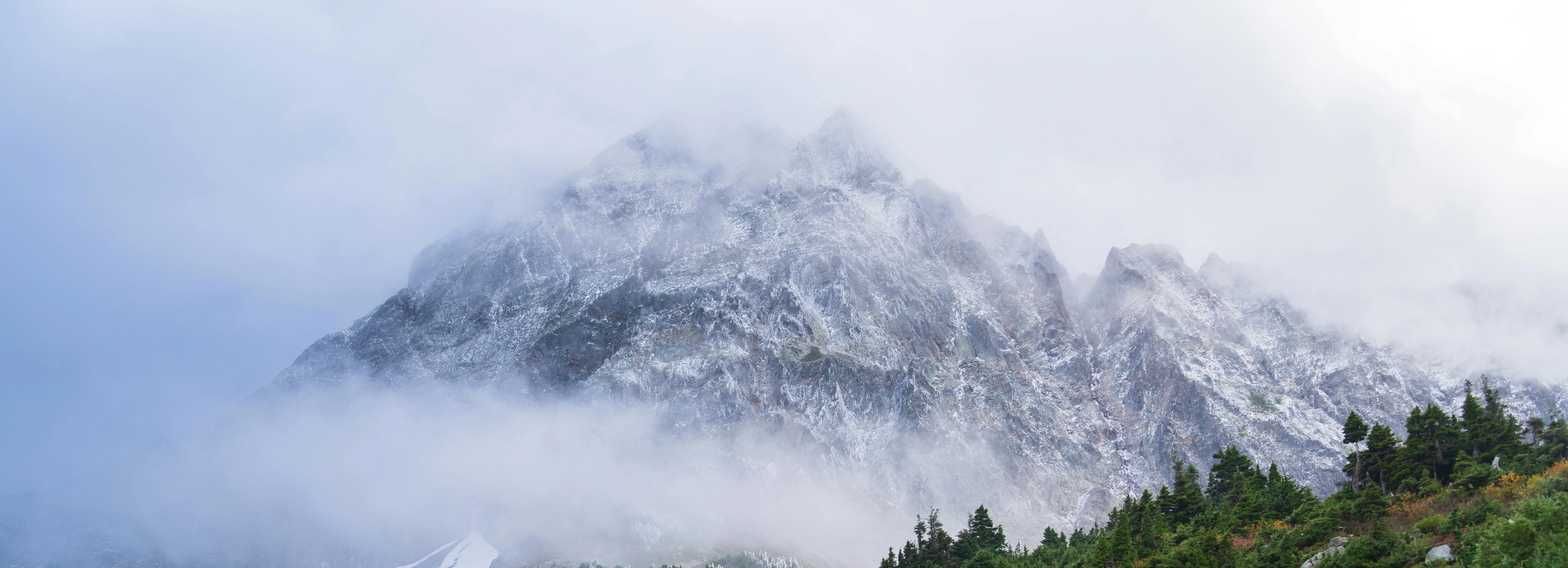
In this in-depth blog post, we’ll spotlight five underrated national forests in the PNW: Umatilla, Ochoco, Wallowa-Whitman, Fremont-Winema, and Rogue River-Siskiyou. These aren’t the Instagram hotspots; they’re the quiet havens where you can reconnect with nature on a budget. Drawing from official sources, hiker reviews, ecological insights, and my own experience, I’ll break down their histories, unique features, top free activities, wildlife, seasonal tips, and why they fly under the radar. Since we’re in eastern Washington, I’ll include drive times and accessibility notes—many are a scenic road trip away. Let’s embark on this journey together!
1. Umatilla National Forest: The Blue Mountains’ Serene Escape
Tucked into the Blue Mountains of northeastern Oregon and southeastern Washington, Umatilla National Forest spans a whopping 1.4 million acres of rugged, diverse terrain. From Spokane, it’s an easy 2-3 hour drive southeast via I-90 and US-395, making it a prime weekend getaway. Historically, this forest has been shaped by indigenous peoples like the Cayuse, Umatilla, and Walla Walla tribes, who used the land for hunting and gathering long before European settlers arrived in the 1800s. Managed by the U.S. Forest Service since 1908, it’s seen everything from timber harvesting to modern restoration efforts, including post-2020 flood recovery and invasive species control. As of early 2026, the forest is buzzing with fire management hires and winter prep advisories, emphasizing sustainable practices like Christmas tree permitting.
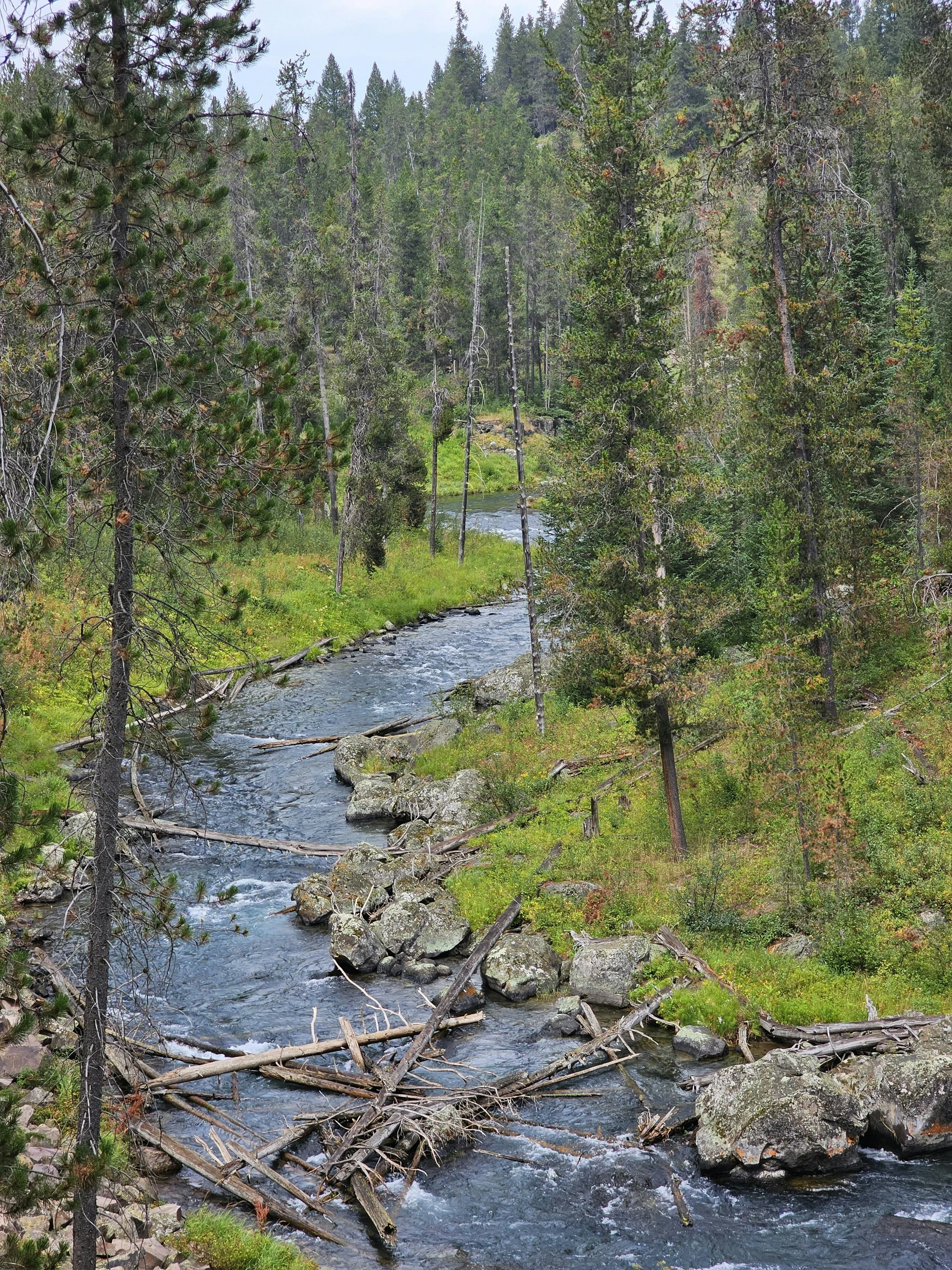
What makes Umatilla underrated? In a region dominated by Cascade volcanoes and coastal vibes, its inland, rolling hills and V-shaped valleys feel like a secret. Elevations climb from 1,600 to 8,000 feet, blending heavily timbered slopes with open grassland ridges and dramatic basalt outcroppings—think ancient lava flows sculpted into bold cliffs. It’s not as flashy as Mount Hood, but the solitude is unparalleled; you’ll rarely share trails with hordes of tourists.
For free activities, hiking tops the list. Explore over 2,000 miles of forest roads that double as trails, like the North Fork Umatilla River Trail for riverside wanders or the Jubilee Lake Loop for alpine views—all accessible without fees. Dispersed camping is a highlight; pitch a tent in remote spots (follow Leave No Trace) for stargazing under dark skies. Wildlife spotting is fantastic: elk herds roam the grasslands, black bears forage in berry patches, and birds like golden eagles soar overhead. In summer, forage for huckleberries or mushrooms (permit-free for personal use in small amounts).
Seasonally, spring brings wildflowers blanketing the benches, while fall’s golden aspens are a photographer’s dream. Winter might see snow at higher elevations, so chain up for drives and check for closures—perfect for snowshoeing if you’re geared up. Tips: Grab a free forest map online, pack for variable weather, and avoid peak fire season in late summer. This forest’s raw, unpolished charm makes it ideal for couples seeking quiet reflection amid nature’s grandeur.
2. Ochoco National Forest: High-Desert Meets Pine Paradise
Central Oregon’s Ochoco National Forest, covering about 850,000 acres, offers a stark contrast to the wetter western PNW. From Spokane, expect a 5-6 hour drive south via I-90 and US-97, crossing into drier terrain that’s worth the journey for its unique blend of landscapes. Established in 1911, Ochoco’s history ties to early ranching and mining booms, with Native American roots in the Paiute and Warm Springs tribes. Today, it’s a hub for restoration, including wildfire recovery and habitat preservation amid climate challenges.

Why underrated? While everyone flocks to Deschutes or Willamette for their lush vibes, Ochoco’s high-desert rimrock canyons and expansive ponderosa pine stands feel like a forgotten frontier. Dramatic rock formations rise from sagebrush plains, transitioning to forested plateaus—it’s like the Great Basin meeting the Cascades. Unique attractions include the Stein’s Pillar, a towering volcanic plug, and hidden hot springs in remote areas.
Free exploration shines here: Hike the Mill Creek Wilderness trails, as the 10-mile Twin Pillars loop through old-growth pines and wildflower meadows, or the shorter Lookout Mountain Trail for panoramic views—all with no-fee entry. Dispersed camping abounds in open ponderosa groves, ideal for campfire stories under starry skies. Wildlife includes mule deer, pronghorn antelope grazing the grasslands, and raptors like red-tailed hawks. Mountain biking on forest roads adds adrenaline without cost.
Seasonal tips: Summer’s dry heat (up to 90°F) calls for early starts and plenty of water; fall’s cooler temps make foliage hikes even better. Winter can bring snow, limiting access but opening cross-country skiing opportunities—check road conditions via Forest Service alerts. Pair this with a stop at nearby Painted Hills for colorful badlands. Ochoco’s open spaces foster a sense of freedom, perfect for unplugging and rediscovering the PNW’s drier side.
3. Wallowa-Whitman National Forest: The Alps of Oregon Await
Spanning 2.3 million acres across northeastern Oregon and into Idaho, Wallowa-Whitman is a behemoth that’s surprisingly under-the-radar. Drive time from Mead? About 4-5 hours southeast via US-395, dipping into the Wallowa Valley—scenic and straightforward. Named after Chief Joseph of the Nez Perce tribe, whose people inhabited the area for millennia, the forest was formed in 1908 from reserves. It’s steeped in history, from gold rushes to modern conservation efforts, including the protection of the Eagle Cap Wilderness.

Underrated factor: Dubbed the “Alps of Oregon,” its jagged Wallowa Mountains rival European peaks, yet it sees a fraction of the crowds compared to Olympic or Gifford Pinchot. Hell’s Canyon, North America’s deepest river gorge, plunges dramatically, while alpine lakes and granite spires add majesty. Unique spots like the Imnaha River Canyon offer remote serenity.
Free activities abound: Backpack the Eagle Cap Wilderness trails, such as the 40-mile loop to Ice Lake for glacial views, or shorter day hikes like Hurricane Creek for waterfalls—all permit-free for day use. Dispersed camping near riversides lets you wake to elk bugles. Wildlife thrives: bighorn sheep scale cliffs, wolves prowl (rare sightings), and trout-filled streams beckon anglers.
Seasons: Summer’s wildflower blooms are magical, but watch for thunderstorms; fall’s larch gold is stunning for photography. Early winter might mean snow-closed roads, so the spring thaw (April-May) is ideal for lower elevations. Tips: From eastern WA, enter via the Whitman side for easier access. This forest’s epic scale inspires awe, making it a must for adventurous people.
4. Fremont-Winema National Forest: Volcanic Wonders in the High Desert
In south-central Oregon, Fremont-Winema’s 2.3 million acres merge high-desert basins with volcanic peaks—a 6-7 hour drive from Spokane via US-97. Combined in 2002 from two forests, its history includes Klamath tribal lands and 19th-century exploration by John C. Frémont. Volcanic activity shapes its past, with lava flows and craters defining the terrain.
Why underrated? Amid PNW’s rainforest hype, its sagebrush expanses and pumice flats feel otherworldly, like a lunar landscape meets forests. Gearhart Mountain’s wilderness offers solitude, with obsidian-strewn trails.

Free pursuits: Hike the Mountain Lakes Wilderness loop (8 miles) for pristine lakes, or explore lava beds on foot. Dispersed camping in ponderosa stands is serene. Wildlife: black bears, cougars, and migratory birds abound.
Seasonal advice: Dry summers demand hydration; winters bring heavy snow—2026 forecasts suggest checking for avalanches. Spring wildflowers pop. Accessibility: Highway pulls make it drivable. Fremont-Winema’s stark beauty rewards the intrepid.
5. Rogue River-Siskiyou National Forest: Old-Growth Majesty in the Southwest
Southwestern Oregon’s Rogue River-Siskiyou, at 1.8 million acres (extending to California), is a 7-8 hour trek from Spokane but packs biodiversity. Established in 1906, it honors indigenous Takelma and Shasta peoples, with logging and mining histories now balanced by preservation.
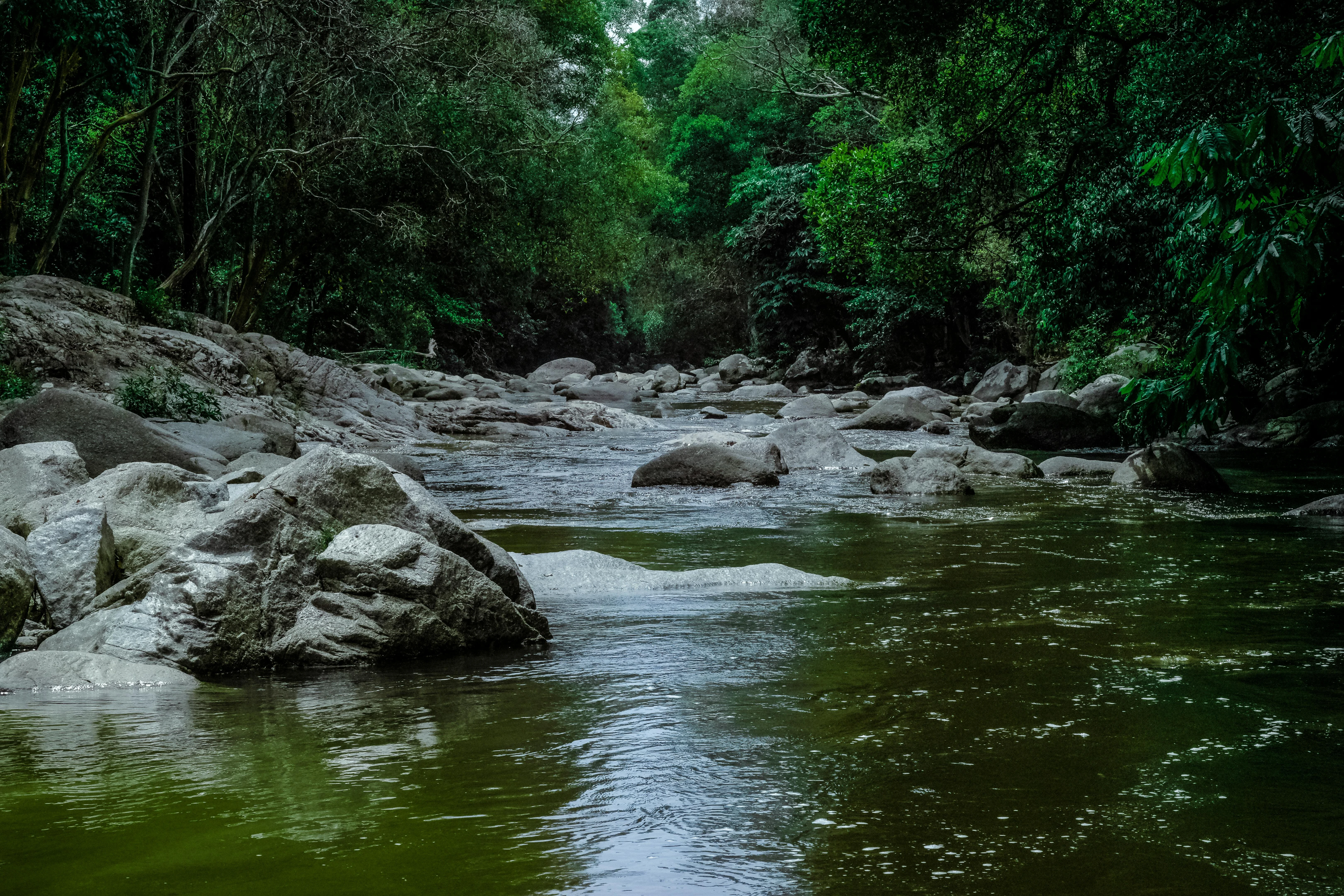
Underrated appeal: Massive old-growth (some trees 500+ years) and wild rivers outshine busier spots. Kalmiopsis Wilderness boasts rare plants.
Free fun: Raft or hike the Rogue River Trail (40 miles), camp dispersed along the shores. Wildlife: salmon runs, black-tailed deer.
Seasons: Mild winters allow year-round access; summers for swimming. Tips: Scenic byways from WA. Its lush diversity captivates.

In conclusion, these forests prove the PNW’s depth beyond the obvious. Free, underrated, and accessible from Spokane, they’re your ticket to authentic adventures. Grab your gear, hit the road, and create memories—nature awaits!
Written by Matthew from eastern WA, an avid hiker with 10+ years exploring PNW forests.
No responses yet